Updated 2026-09-24. Researched from published specifications, capacity ratings and verified owner reviews, not hands-on testing.
Quick answerWater below 60°F can take away meaningful muscle control in about 10 minutes, so the 1-10-1 rule says plan for 1 minute of cold shock, 10 minutes of useful movement, and roughly 1 hour before hypothermia, with a wetsuit such as the Seaskin 3mm shorty (about $58) and a PFD worn the entire time you paddle.
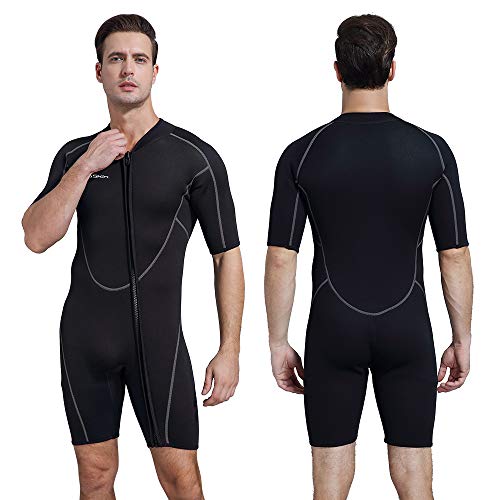
Cold water isn't defined by how the air feels on shore, it's defined by the number on a thermometer, and once that number drops under 60°F the 1-10-1 principle should be running through your head before you launch. A wetsuit like the Seaskin 3mm shorty wetsuit (about $58) and a PFD you already have on, not one within reach, are the two things that turn an unplanned swim from a scare into an emergency, or the other way around.
What is the 1-10-1 principle for cold water paddling?
The 1-10-1 principle is a simple way to remember what cold water immersion does to a body, in order. The first 1 stands for roughly 1 minute of cold shock: your breathing goes ragged and involuntary gasping is the real danger, since it's how paddlers inhale water before they even start swimming. The 10 stands for about 10 minutes of meaningful movement, the window where your arms and legs still work well enough to swim, grab a paddle, or climb back onto a board. After that, the final 1 stands for roughly 1 hour before hypothermia can cause unconsciousness, a number that assumes a PFD is already keeping your head above water, because a tired swimmer without one doesn't get anywhere near that hour.
The number to actually plan around is 10 minutes. That's the practical window you have to self-rescue, so every gear decision, wetsuit, PFD, whistle, should be built around getting back on your kayak or board inside that time, not after it.
What water temperature counts as cold for kayaking or paddle boarding?
Most paddlers don't think about water temperature until it's already a problem, but the risk curve isn't gradual, it steepens quickly under 60°F.
Water temperature and cold water risk
Water temperature
Risk level
Suggested wetsuit
PFD requirement
Above 70°F
Low, cold shock unlikely
Not required, a rash guard is enough
Worn at all times regardless
60 to 70°F
Moderate, cold shock possible on sudden immersion
1.5 to 2mm shorty
Worn at all times
50 to 60°F
High, cold shock likely, swimming ability drops fast
3mm shorty or a full suit
Worn at all times, whistle attached
Below 50°F
Severe, don't paddle solo
Full wetsuit or drysuit with a hood
Worn, plus a paddling partner
Check your own state and local regulations too, since some waterways post seasonal cold water advisories that are stricter than this general guidance.
Do you need a wetsuit to kayak or paddle board in cold water?
If the water is above about 65°F, most paddlers don't need one, a rash guard and dry clothes waiting on shore covers the risk, and there's no reason to spend the money. Once you drop into the 50s and low 60s, a wetsuit stops being a comfort item and starts being the thing that buys you the full 10 minutes instead of 3 or 4.
Thickness should match how cold it actually is, not how cold it feels on a sunny day. A ZCCO 1.5mm shorty (about $38) is enough for cool but not cold water, a Hevto 2mm shorty (about $57) covers shoulder-season paddling, and the Seaskin 3mm shorty (about $58) is the one to reach for once the water is genuinely in the 50s. None of these are drysuits, so in truly cold water below 50°F, a full wetsuit or drysuit with a hood is the honest recommendation, not a shorty.
Should you keep your PFD on the whole time in cold water?
Yes, and this is the rule most paddlers break first. In cold water, the plan can't be to put a PFD on after you fall in, because cold shock and stiff fingers make that nearly impossible inside the 10 minute window. It needs to already be doing its job before you ever need it. A universal fit foam vest like the Onyx Universal Paddle Life Jacket (about $64) is USCG approved and built to stay on comfortably for a full session, not just clipped to the deck.
Every paddle craft, a kayak, a canoe, or a SUP used outside a designated swimming or surfing area, is legally treated as a vessel that must carry a USCG-approved PFD per person. In cold water, carrying one isn't enough, worn is the only version of this rule that matters.
What else should you carry paddling in cold conditions?
Beyond a wetsuit and a PFD, a few small habits matter more in cold water than warm. Tell someone on shore your put-in and take-out points and roughly when you expect to be back, since a cold water incident is exactly the scenario where a delayed response matters most. Keep a whistle attached to your PFD rather than in a pocket, since cold, stiff fingers make a zipper harder to use than a strap that's already clipped on. And treat solo paddling in the coldest months as something to avoid, not something to push through, since the entire 1-10-1 window assumes someone nearby can help inside that first 10 minutes.
Shop the options
An even spread across the price range, cheapest to premium. Prices at last check.
What is the 1-10-1 principle in cold water paddling?
It's a memory aid for what cold immersion does over time: about 1 minute of cold shock and involuntary gasping, about 10 minutes of muscle control good enough to self-rescue, and roughly 1 hour before hypothermia risks unconsciousness, assuming a PFD is already worn. The 10 minute window is the one to plan your gear around.
How cold does water have to be before a wetsuit matters?
Above about 65°F, most recreational paddlers are fine without one. Once water drops into the 50s and low 60s, a shorty wetsuit meaningfully extends how long you can function if you end up in the water, and below 50°F a full wetsuit or drysuit is the honest recommendation rather than a shorty.
Is a life jacket enough protection in cold water on its own?
A PFD keeps your head above water and buys time, but it doesn't stop cold shock or slow muscle fatigue by itself. It has to be paired with thermal protection appropriate to the water temperature and worn before you launch, not carried and put on after a fall.
Can you paddle board in a wetsuit alone, or do you need a drysuit?
A shorty wetsuit is reasonable down into the 50s for short, close-to-shore sessions. In genuinely cold water below 50°F, or on longer trips further from shore, a full wetsuit or drysuit with a hood is the safer call, since a shorty leaves your lower legs and head exposed.
What temperature is considered dangerously cold for open water paddling?
Most safety guidance treats water under 60°F as cold enough to plan for cold shock, and under 50°F as severe enough that solo paddling isn't recommended. Check local regulations too, since some waterways post their own seasonal advisories.
Should beginners avoid paddling in cold water altogether?
Not necessarily, but beginners should be more conservative than experienced paddlers: stay close to shore, paddle with a partner, wear a wetsuit appropriate to the water temperature, and keep the PFD on the entire time rather than treating any of this as optional.
On the water: Wear a properly fitted, USCG-approved life jacket every time, dress for the water temperature rather than the air, and check your state and local paddling regulations before you launch.
This is researched general information, not professional advice. Sizing figures are starting points: confirm against the maker's own sizing chart and the capacity printed on the boat or board.
 Airhead General Purpose Life Jacket for Adults & Kids - US Coast Guard Approved Life Vest for Men, Women, Youth, Child & Infant, Boating Safety PFD for Fishing & Swimming, Adult Standard, Blue USCG approved